Premium Springtails & Isopods for Bioactive Vivariums
Healthy cultures, expert care advice, and fast UK delivery.
The UK Home of Healthy Bioactive Clean-Up Crews
From your first springtail culture to a fully self-sustaining vivarium, we make bioactive keeping simple, affordable and reliable.
Healthy Breeding Colonies
Every culture is grown from thriving, well-established colonies for a strong start in your vivarium.
Fast UK Shipping
Carefully packed and dispatched quickly across the UK to keep your livestock safe and stress-free in transit.
Expert Care Advice
In-depth care guides and friendly support help you get the best from your clean-up crew, whatever your experience level.
Bioactive Specialists
We focus exclusively on springtails, isopods and bioactive ecosystems — it’s all we do, and we do it well.
Beginner Friendly Support
New to bioactive setups? We’ll help you choose the right species and get your clean-up crew off to a flying start.
Everything You Need For A Thriving Bioactive Setup
Browse our springtail and isopod cultures, or dive into our care guides and blog to learn the bioactive basics.
Springtails
Tropical white, temperate, starter and large cultures — the foundation of every bioactive clean-up crew.
Shop SpringtailsIsopods
From hardy beginner species to stunning display morphs — find the perfect isopods for your vivarium.
Shop IsopodsBioactive Care Guides
Step-by-step guides covering housing, feeding, breeding and troubleshooting your clean-up crew.
Read Care GuidesBlog
Tips, species spotlights and bioactive know-how from the Bioactive Bugs UK team.
Read The BlogWhat Are Bioactive Clean-Up Crews?
A bioactive clean-up crew is a team of tiny invertebrates — usually springtails and isopods — that live in the substrate of your vivarium and quietly do the hard work for you.
What Springtails Do
Springtails (Collembola) are tiny, harmless arthropods that graze on mould, fungi and decaying organic matter. They’re usually the first responders in a bioactive enclosure, breaking down waste before it becomes a problem and helping to control mould blooms on new substrate and decor.
What Isopods Do
Isopods (woodlice) are nature’s recyclers. They consume leaf litter, wood, faecal matter and leftover food, converting it into nutrient-rich frass that feeds your live plants. Many species also help aerate the substrate as they burrow.
Why They Benefit Vivariums
Together, springtails and isopods form a self-cleaning waste-management system. They reduce odours, suppress mould and harmful bacteria, recycle nutrients back into the soil, and reduce how often you need to spot-clean — all while staying largely out of sight.
Why Bioactive Setups Are So Popular
Bioactive vivariums recreate a slice of the natural world: live plants, natural substrate, microfauna and your reptile, amphibian or invertebrate all working together. The result is a healthier, more naturalistic, lower-maintenance enclosure that looks stunning too.
Trusted By Bioactive Keepers Across The UK
Real feedback from hobbyists who’ve added our cultures to their vivariums.
“Springtail culture arrived really well packed and absolutely thriving. Within a week I could see them all over the substrate. Brilliant service.”
“Bought a starter clean-up crew kit for my first bioactive enclosure. The care guides made it so easy to get going as a complete beginner.”
“Healthiest isopod colony I’ve ever received. Fast delivery and great communication throughout. Highly recommend to any vivarium keeper.”
Latest Articles & Care Tips
Practical, UK-focused advice for keeping your springtail and isopod cultures thriving.
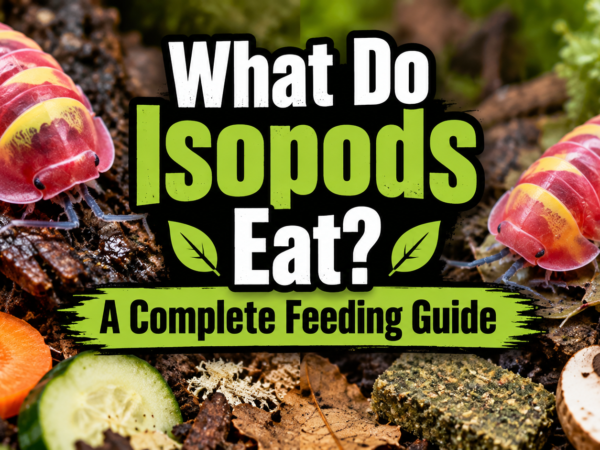
What Do Isopods Eat? A Complete Feeding Guide
What do isopods eat? Mainly leaf litter and rotting wood, plus calcium and occasional protein — and in…
Read More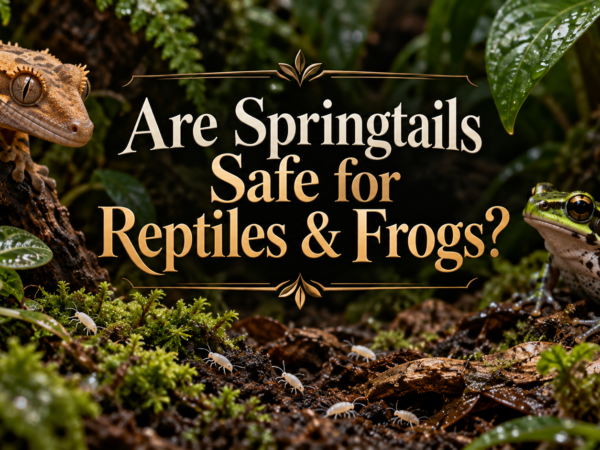
Are Springtails Safe for Reptiles, Frogs & Geckos?
Are springtails safe for reptiles, frogs and geckos? Completely — they eat mould, not animals, and many pets…
Read More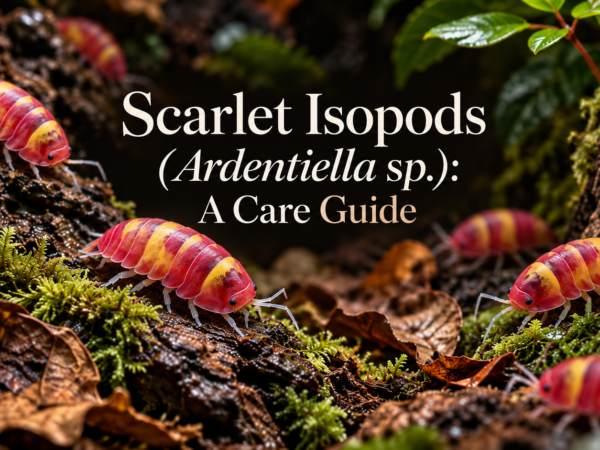
Scarlet Isopods (Ardentiella sp.): A Care Guide
A care guide for Scarlet Isopods (Ardentiella sp.) — enclosure, temperature, humidity, feeding and breeding for this vivid…
Read More